
A plumber who can fix a dripping faucet isn’t necessarily the right person for a frozen supply line in a Deer Valley vacation home. And a company with glowing reviews may still charge a trip fee or leave you waiting when a pipe bursts. In Park City, the wrong choice can mean more than an inconvenient appointment, especially when winter weather or an empty second home complicates the repair.
Wondering how to choose a plumber in Park City? Start by verifying licensing and insurance, then compare experience with your specific problem, local response times, written quotes, and follow-up support. At Beehive Plumbing, we believe a good hiring decision starts with knowing what to ask. We’ll walk you through those checks and the warning signs to watch for before work begins.
Key Takeaways
- Credentials: Verify an active Utah license and appropriate insurance.
- Relevant experience: Choose technicians familiar with your repair and Park City properties.
- Clear pricing: Request a written diagnosis, scope, and full quote before work begins.
- Reliable availability: Confirm they service your address, offer realistic response times, and provide emergency options.
- Reputation and follow-through: Read detailed local reviews and ask about workmanship coverage.
7 Things to Look for When Hiring a Plumber in Park City
The best plumber for your home isn’t necessarily the one with the longest service list. These seven factors help you compare the people, pricing, and practical support behind the promise.
Verify Utah Licensing, Insurance, and the People Doing the Work
A professional plumber should be able to tell you the business name under which they’re licensed, who will perform the work, and what insurance applies. Check the business or individual through Utah’s Division of Professional Licensing before committing to a substantial job.
Use the state’s DOPL license lookup to check current status and license classification. Ask for general liability coverage and, where applicable, workers’ compensation information. A licensed contractor may use apprentices under appropriate supervision, so it’s reasonable to ask who will be responsible on site.
Credentials establish a baseline, not a promise of excellent work. Once you’ve checked them, move on to experience, communication, and the written estimate.
Choose Experience That Matches Your Plum
bing Systems Problem
Residential plumbing systems can differ dramatically from one Park City home to another. A technician used to fixture replacements may not be the best match for diagnosing a hidden leak, a failing boiler connection, or a recurring drain backup. Ask what similar jobs the team has dealt with recently and how they’ll diagnose yours. For example:
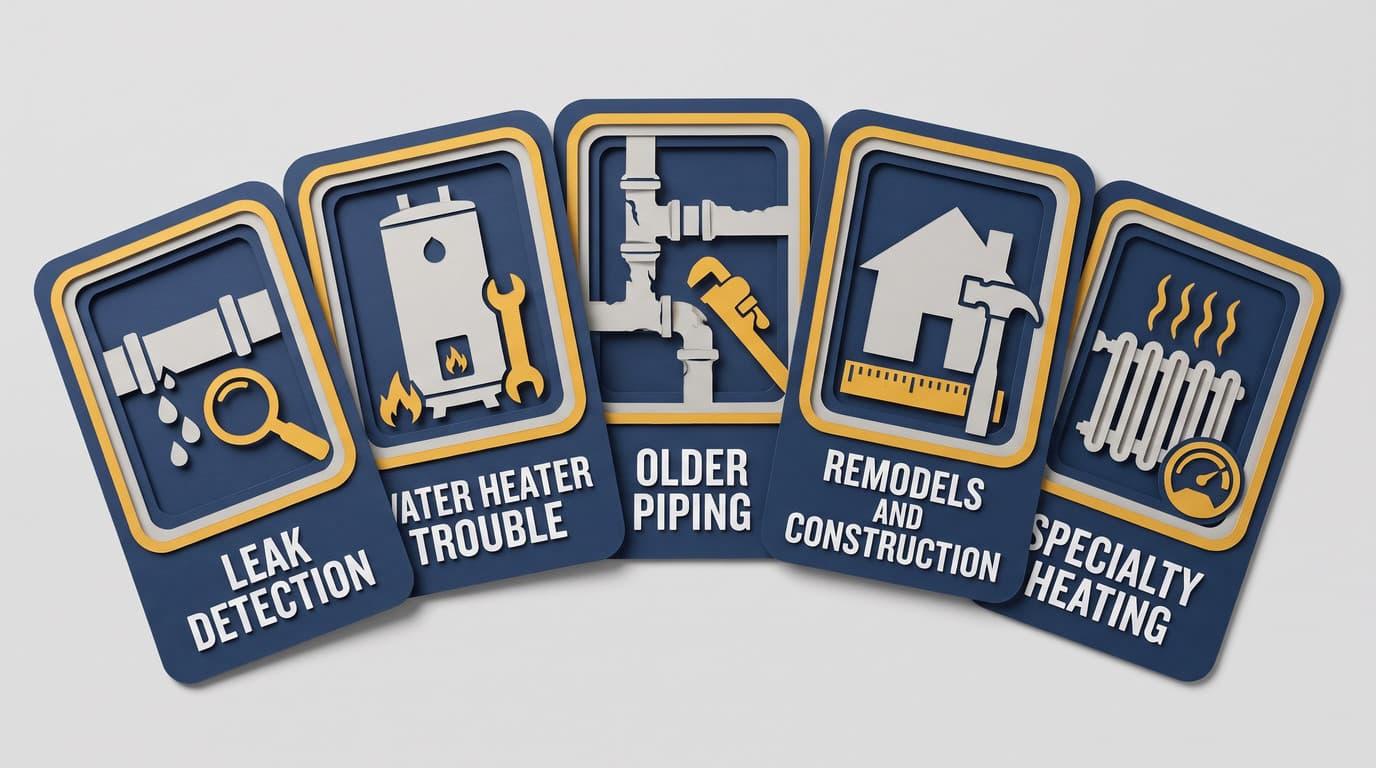
- Leak detection: Will they locate the source before opening finished walls or floors?
- Water heater trouble: Can they evaluate why hot water is inconsistent before recommending replacement?
- Older piping: Have they worked with galvanized supply lines or cast iron drains in historic homes?
- Remodels and construction: Can they coordinate fixtures, permits, and inspections with the rest of the project?
- Specialty heating: Are they familiar with hydronic boilers and radiant floor heating, or will that require a specialist?
For repairs that extend beyond a single fixture, experience with larger plumbing systems matters. At Beehive Plumbing, we work with homeowners and property owners on projects of different sizes, including commercial plumbing needs.
Make Sure They Understand Park City Homes and Winters
Park City sits above 7,000 feet in a state where it experiences one of the longest freeze seasons in Utah, and winter temperatures regularly drop below freezing from November to April, making exposed or poorly insulated plumbing a real concern. According to FEMA’s winter weather guidance, preparing a home for cold weather includes protecting pipes from freezing. In Historic Old Town, aging pipes, tight access, and homes that may lack proper insulation around supply lines can complicate repairs; around Deer Valley, second homes may sit empty long enough for leaks to go unnoticed. These conditions can contribute to common mountain-town plumbing repairs.
A plumber familiar with the community should ask about the property’s age, insulation, occupancy, shutoff access, and any lines running through unheated spaces. For seasonal homes, discuss winterization, drain-down procedures, and reopening routines, since homes left unheated can also experience stagnant water in pipes before reopening. Park City’s water quality report also notes that many second homes and seasonal businesses remain unoccupied for extended periods, making a plan for water use and flushing especially useful.
Don’t assume a company based in Salt Lake City or the Salt Lake Valley can reach every Park City, UT address on the same schedule. Confirm whether it can serve your neighborhood with the right plumbing services, including nights and weekends, and whether travel time affects the quote.
Compare Written Quotes, Not Just Hourly Prices
Two plumbers can quote different prices for what sounds like the same repair because they’re pricing different scopes. Ask for upfront pricing before work starts, with an estimate that spells out the job so you can compare more than just hourly rates.
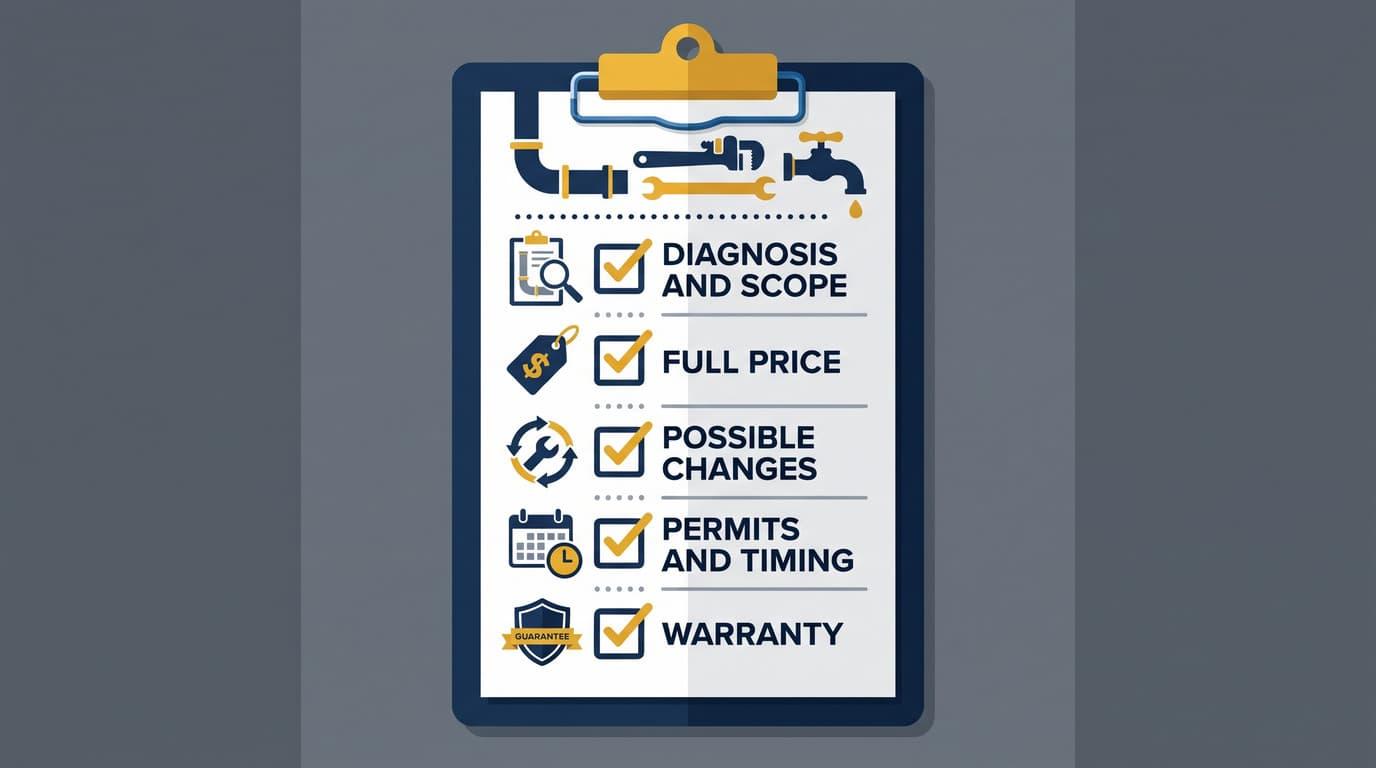
- Diagnosis and scope: What caused the issue, and what exactly will be repaired or replaced?
- Full price: Are labor, materials, dispatch, travel, and disposal included, and is it clear what you will pay before work begins rather than at the end?
- Possible changes: What discoveries would require a revised quote, and who approves them?
- Permits and timing: Who handles approvals, and when can the work be completed?
- Warranty: What parts and labor are covered, and for how long?
A fair comparison starts with matching the scope and looking for transparent pricing, not just the lowest number. With Beehive Plumbing, you can discuss the work involved in a larger repair or replacement and consider financing options that fit your plans.
Check Emergency Availability Before You Need It
A listing that says ’24/7′ doesn’t always mean a plumber can reach your home tonight. Ask if calls go to an on-call technician or an answering service, whether emergency repairs are available at your address, and what the expected arrival window is.
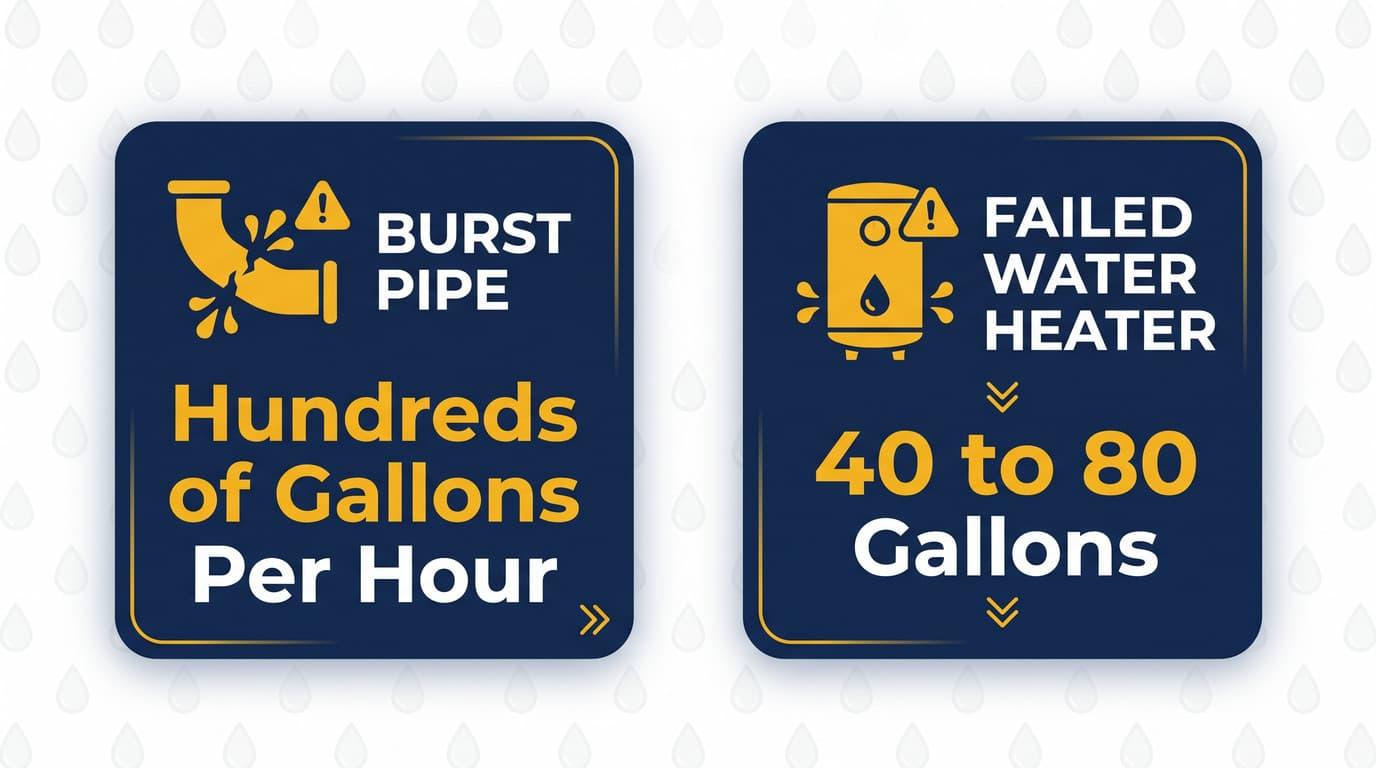
If burst pipes are flooding a room, shut off the main water supply if you can safely do so, then call for help. A burst pipe can release hundreds of gallons of water per hour. A failed water heater can discharge 40 to 80 gallons of water, which is why true emergencies need a fast response. Sewage backups and significant leaks also deserve prompt professional attention. If you smell gas, leave the area and call the gas utility or emergency services from a safe location.
For a minor drip or a slow drain without flooding, a scheduled appointment may be more practical. The key distinction is whether the company can offer a realistic plan instead of a vague promise.
Read Reviews for Evidence of Reliability
Five stars are encouraging, but review details tell you more about what it feels like to hire a company. Look for comments from Park City residents describing similar repairs, punctual arrivals, efficient service, clean work areas, clear quotes, and how the team handled surprises.
Read a mix of recent positive and critical reviews. Notice whether the owner or company responds professionally when something goes wrong. You can also ask friends, a neighbor, or your property manager who they’ve called, whether a neighbor recommended the company, and whether they’d hire that plumber again.
Be cautious about reviews that praise only friendliness without describing the actual work. Professionalism matters, but so does diagnosing the problem correctly and completing the repair.
Ask About Workmanship Guarantees and Follow-Up
Even a carefully planned repair can reveal a second issue once the plumbing is opened, and a dependable company should explain what happens next with the same care. Before booking, ask what happens if the original symptom returns, who handles a callback, and whether any manufacturer warranty is separate from the company’s labor coverage.
Reliable plumbers should explain their policies plainly. A written guarantee, a named point of contact, and a clear follow-up process are more useful than a broad promise, because they show a real commitment to follow-through.
Questions to Ask a Park City Plumber Before Booking
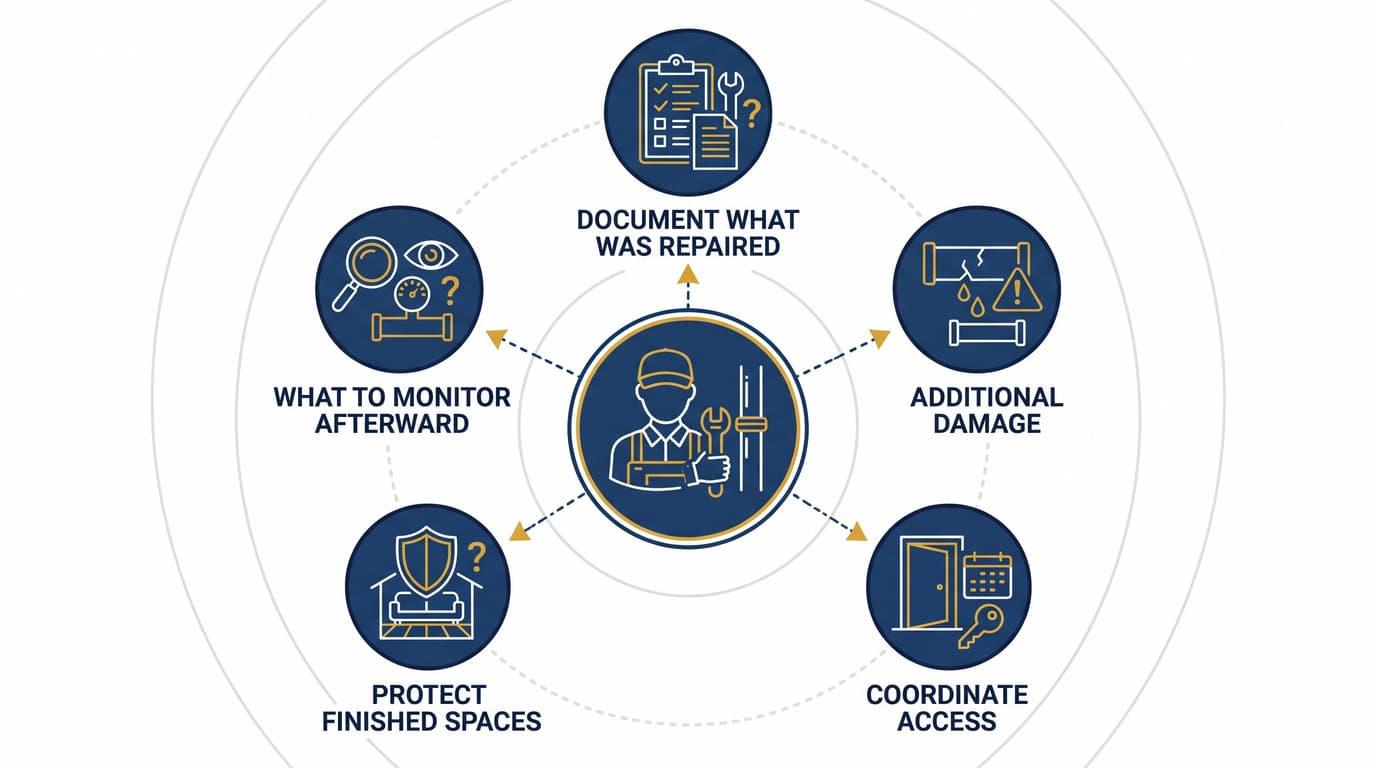
You don’t need a long interview. A short conversation should tell you whether the company understands your problem and respects your time, and leave you feeling informed, not just sold to.
- Can you document what was repaired? Ask whether you’ll receive an itemized invoice, photos where useful, and a record of parts replaced.
- What if you find additional damage? The plumber should clearly explain what they found, tell you the updated cost, and get your approval before the scope changes.
- Can you coordinate access if I’m away? For second homes, ask whether the team can work with a property manager or designated local contact.
- How will you protect finished spaces? Ask about floor protection, access to concealed pipes, and cleanup after the repair.
- What should I monitor afterward? Request clear instructions on warning signs, maintenance, and when to call back.
The answers should show how the company handles the details of a real job, not just how it presents a quote. Before booking, you should be told clearly about access, changes, and cleanup.
Red Flags That Should Make You Reconsider
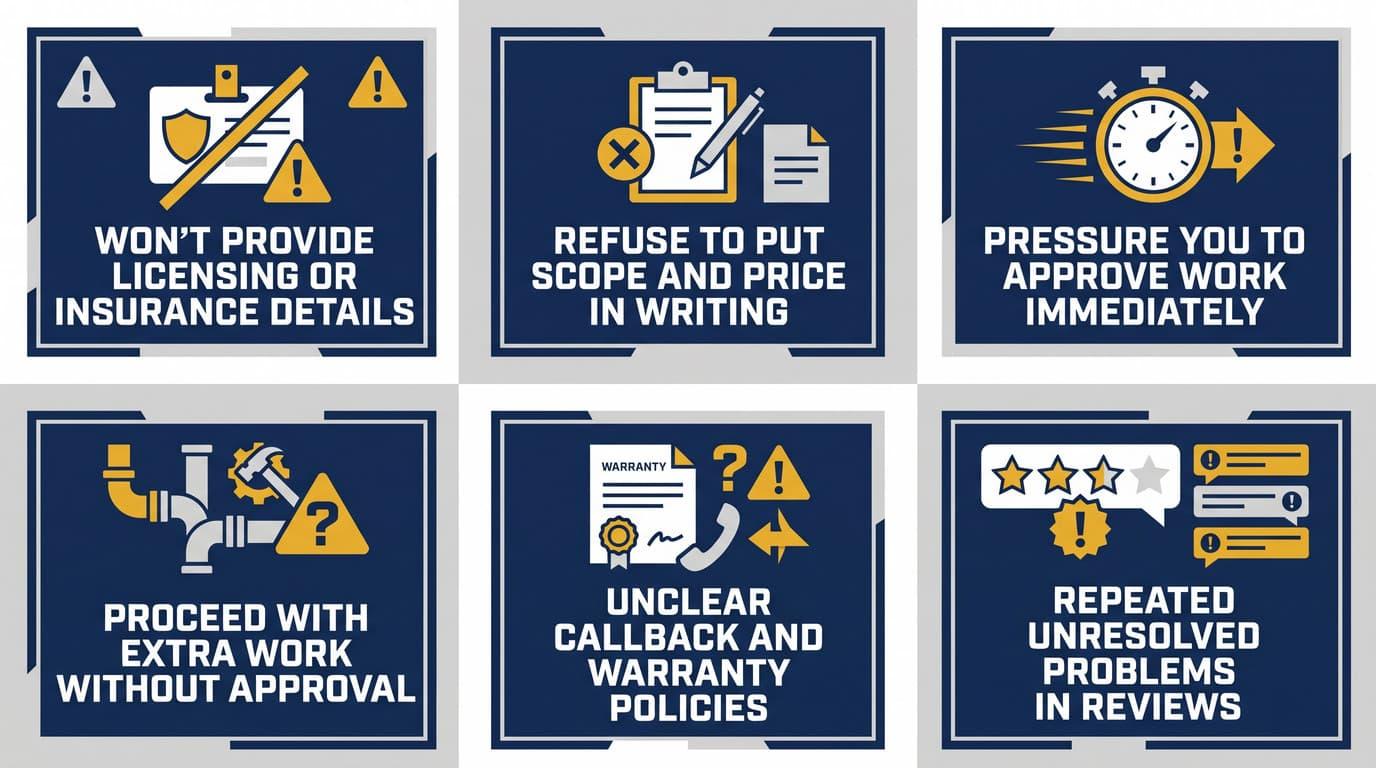
A plumber should make it easier to understand the problem, the cost, and what happens next, and they should treat your questions seriously rather than rush you toward approval. If you’re getting vague answers or feeling pressured to book, pause before committing. Watch for these warning signs:
- They won’t provide licensing or insurance details. Avoid hiring a company that is not properly licensed and insured; you should be able to verify the business name, applicable Utah license, and insurance coverage before authorizing work.
- They refuse to put the scope and price in writing. A verbal estimate leaves room for confusion about labor, materials, travel charges, and what the repair includes.
- They recommend a major replacement without explaining the diagnosis. Ask what they found, why replacement is necessary, and whether repair is a reasonable option.
- They avoid questions about additional charges. They should explain dispatch fees, after-hours rates, and travel costs to your Park City address before you agree to service.
- They promise immediate service without confirming your location. A company should check your address and provide a realistic arrival window, especially during winter storms or busy holiday periods.
- They pressure you to approve work immediately. An urgent leak may need quick action, but you should still receive a clear explanation of the proposed work and cost.
- They proceed with extra work without your approval. Unexpected damage can change a repair, but the plumber should explain the findings and obtain permission before expanding the scope.
- They dismiss questions about your home’s setup. For a Park City property, concerns about exposed pipes, seasonal occupancy, radiant heating, or shutoff access deserve practical answers.
- They won’t explain permits or inspections. If the project may require approval, the contractor should clarify what’s needed and who will handle it.
- Their callback and warranty policies are unclear. Ask who to contact if the issue returns and whether additional visits, parts, or labor could carry a charge.
- Recent reviews show repeated unresolved problems. Look for patterns involving surprise charges, missed appointments, incomplete repairs, or difficulty reaching the company afterward.
One imperfect review or a busy schedule isn’t proof of poor service. What matters is a pattern of unclear answers, pressure, or commitments that change once the job begins.
Choose a Park City Plumber Who Fits the Job
Choosing a plumber in Park City means looking beyond the first star rating or advertised price. Check credentials, experience, coverage, transparent quotes, and follow-through. For mountain homes, also weigh freeze risks, older pipes, and whether the property sits empty between visits.
Here at Beehive Plumbing, we help Park City homeowners move from uncertainty to a clear plan. Whether it’s a persistent leak, a water heater issue, or a larger plumbing project, we’ll talk through your needs and help you protect your home or family property and take the next step with confidence.
Contact Our Park City Plumbers
Frequently Asked Questions About Park City Plumbing
These answers cover permits, water quality, utility issues, and other decisions that may come up when maintaining a Park City property.
Do Park City homeowners need permits for plumbing remodels?
Some plumbing remodels, alterations, and construction projects require permits or inspections. Properties within Park City limits generally fall under Park City’s Building Department; for unincorporated areas, the Summit County Building Department handles building permits. Summit County requires permits for many types of construction, alteration, and repair, subject to exceptions. Ask your contractor which rules apply to your project before work starts.
Can a plumber help with hard water and water heater issues in Park City?
Yes. A plumber can evaluate mineral scale, check fixtures and water heaters, and explain whether a water softener makes sense for your home, as well as install or service water softeners when needed. Water hardness can vary by neighborhood and water source, so compare the utility’s local data with testing at your tap before choosing treatment.
Who should I call if the whole neighborhood loses water?
If multiple nearby homes are affected, check with your water utility before booking a plumber. For leaks or pressure problems limited to your property, a plumber can inspect the home’s supply line and fixtures.
Should I shut off the main water supply when leaving my Park City home?
For an extended absence, shutting off the home’s main water supply may reduce damage from an unexpected leak, but the right approach depends on boilers, fire sprinklers, irrigation, and other connected systems. Ask a qualified plumber or property manager what can safely be shut off and what must remain operating.
Can one company handle both plumbing and HVAC issues?
Some businesses offer plumbing, heating, and HVAC services, but qualifications vary by trade. Confirm that the technicians assigned to each part of the job have the appropriate experience and credentials.